Water quality shapes everyday life in ways that are easy to overlook until issues arise. Many homes across the United States rely on complex multi-stage water filtration systems to ensure the water coming through taps is not only safe but also pleasant to drink and use. These systems harness a combination of filtration technologies, each targeting specific contaminants that affect water taste, odor, appearance, and safety. Understanding how these stages work together allows homeowners to make informed choices tailored to their unique water supply, from municipal to well water, balancing performance and maintenance for lasting health benefits.
Understanding Multi-Stage Water Filtration Systems
Multi-stage water filters are designed to purify water through a sequence of filtering technologies, each stage addressing different contaminants. The concept is to progressively remove impurities — from large particles to microscopic chemicals — ensuring comprehensive treatment. For example, initial sediment filters trap dirt and rust, while subsequent carbon blocks tackle chlorine and organic compounds, and advanced membranes reduce dissolved solids and heavy metals. This layered approach enhances water quality and safeguards health by addressing the diverse makeup of water sources commonly found in homes, such as municipal supplies treated for microbes but often containing chlorine, or well water that may harbor sediment and bacterial risks.
Common Water Contaminants and What Needs Removing
Multi-stage systems typically target chlorine, heavy metals like lead and arsenic, dissolved solids, and bacteria. Chlorine, prevalent in municipal water, affects taste and can cause health concerns with prolonged exposure. Heavy metals pose serious health risks even at low concentrations, while dissolved solids reduce water safety and aesthetic appeal. Bacteria, more common in well water, threaten safety directly. Since municipal and well water have varied contaminant profiles, water testing plays a crucial role in determining which impurities need removal before selecting an appropriate filtration system.
Overview of Typical Filtration Stages in Multi-Stage Water Filters
Most multi-stage filters start with a sediment filter that traps dirt, rust, and particulates protecting downstream components. Following this, carbon block filters employ activated carbon to effectively remove chlorine, improve taste and odor, and adsorb many organic chemicals. The core purification often hinges on a reverse osmosis (RO) membrane stage that reduces dissolved solids, heavy metals, and many organics on a microscopic level. Optional stages may include deionization to eliminate remaining ions, remineralization to restore beneficial minerals, UV disinfection to neutralize bacteria, and final polishing filters for enhanced taste. Each stage serves a purpose and is sequenced for maximum purification efficiency.
How Many Filtration Stages Are Best To Have?
The ideal number of filtration stages depends on your water quality goals and the contaminants present. Basic 2-3 stage filters, typically using sediment and carbon block filters, suit municipal water with low total dissolved solids and minimal heavy metals. More advanced 4-5 or more stage systems incorporating RO membranes address tougher impurities like heavy metals and high dissolved solids common in well water or compromised municipal supplies. Selecting stages based on actual water conditions prevents unnecessary complexity, cost, and maintenance burdens that come with over-filtering.
Benefits of Multi-Stage Water Filters for Home Use
By integrating multiple filtration methods, these systems improve chlorine removal, drastically enhancing taste, odor, and reducing associated health concerns. Heavy metal filtration reduces exposure to lead, arsenic, and other harmful elements, mitigating risks of long-term illness. Dissolved solids reduction not only improves safety but also water clarity and appearance. The sediment filter stage clears particulates, creating a cleaner water supply for household use. Additional filtration can reduce microplastics and bacteria, delivering layered protection. Ultimately, multi-stage filters provide peace of mind knowing water is consistently purified through complementary technologies.
Differences Between Carbon Block and Reverse Osmosis Filtration
Carbon block filters utilize activated carbon to adsorb chlorine, volatile organic compounds, and chemicals negatively impacting water taste and odor. In contrast, reverse osmosis membranes physically remove dissolved solids, heavy metals, and many organic contaminants by forcing water through a microscopic barrier. Carbon filters excel at chemical adsorption but cannot effectively reduce dissolved salts or metals, while RO membranes eliminate a broader range of contaminants at the expense of producing wastewater and requiring more maintenance. Many systems combine the two to leverage carbon’s speed and taste improvement with RO’s thorough purification.
Reverse Osmosis Systems: Core Technology and Stages Explained
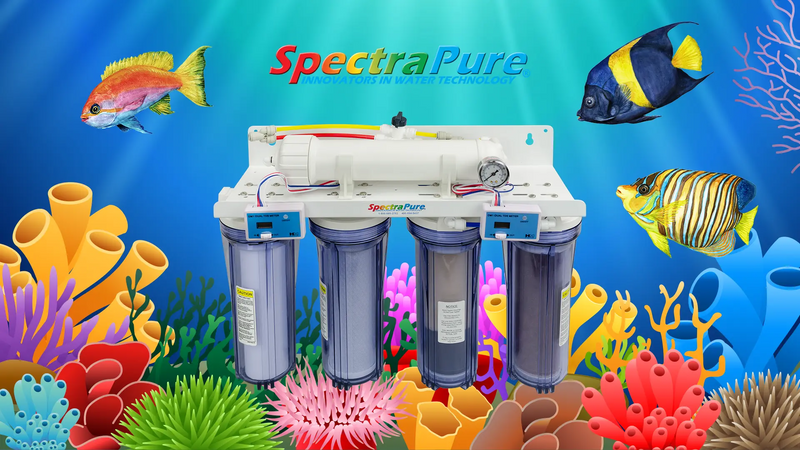
The RO membrane is the heart of reverse osmosis systems, selectively filtering out dissolved solids and contaminants at the molecular level. To preserve membrane life, sediment and carbon pre-filters remove particulates and chlorine that can foul the membrane. Post-filters, often activated carbon, polish the purified water for better taste and safety. Some setups add deionization or remineralization stages to tailor water properties for specific needs like laboratory-grade purity or improved taste. RO membranes generally last 1-2 years, with pre- and post-filters replaced every 3-6 months to maintain performance. High-performance options for reverse osmosis systems, like the Eliminator® 4 RO+ Systems, showcase advanced purification capabilities favored by many users seeking top-tier water quality.
Whole House vs Point-of-Use Multi-Stage Water Filtration Systems
Whole house water filtration systems treat all incoming water at the point it enters the home, protecting skin, hair, plumbing, and appliances from sediment, chlorine, and other contaminants. Point-of-use filters, typically under-sink or faucet-mounted, focus primarily on producing purified drinking and cooking water. Whole house systems are larger, costlier, and require more maintenance but provide comprehensive coverage. Point-of-use systems are space-efficient and easier to maintain, making them ideal for targeted drinking water purification.
How to Test Your Water Quality Before Choosing a System
Testing water quality accurately is essential before selecting a filtration system. Home testing kits can detect the presence of common contaminants but often lack precise quantification, especially for dissolved solids. Professional lab testing offers detailed analysis, including total dissolved solids (TDS), heavy metals, and bacteria levels. Taking a “first draw” sample helps identify issues like pipe-related contamination. Mapping these results against the contaminant removal capabilities of various filter stages ensures an effective and cost-efficient filtration solution.
Choosing the Right Multi-Stage Water Filter for Your Needs
Begin by identifying your water source—municipal or well water—and understand typical concerns associated with each. This helps match filtration technologies to contaminants, such as carbon blocks for chlorine and chemicals or RO membranes for heavy metals and dissolved solids. Consider household space, installation complexity, maintenance willingness, and budget limits. Checking certifications like NSF or ANSI and manufacturer transparency on filter performance bolsters confidence in your selection. Ultimately, selecting a system aligned with your water profile and lifestyle offers the best balance of purity, convenience, and cost.
Maintenance Essentials for Multi-Stage Water Filters
Regular filter changes sustain optimal filtration and water quality. Sediment and carbon filters typically require replacement every 3 to 6 months depending on usage and source water sediment levels. RO membranes last longer but generally need changing every 1 to 2 years to avoid fouling that impairs performance. Neglecting maintenance can lead to clogged membranes, unpleasant tastes, and reduced flow rates. Features like twist-in cartridges and filter life indicators simplify upkeep, and maintaining a log ensures timely replacements aligned with water use and quality.
Cost Considerations: Upfront and Long-Term Ownership
Initial costs vary widely: simple 2-3 stage carbon-based filters offer affordability, while reverse osmosis systems with multiple stages and high purity membranes have higher upfront prices. Long-term expenses include filter replacements, membrane renewals, and potential RO wastewater handling. Though costs rise with performance level, investing in effective filtration often offsets bottled water expenses and health risks. Evaluating total ownership costs alongside water quality improvements and maintenance effort helps find the best value for individual needs.
Frequently Asked Questions About Multi-Stage Water Filters
Is more stages always better?
More stages benefit water purification only when each targets different, relevant contaminants. Adding unnecessary stages may raise costs and maintenance without improving water quality.
Which stage removes the most contaminants?
The reverse osmosis membrane removes most dissolved solids and heavy metals, while carbon filters excel at eliminating chlorine and many chemical compounds.
Do multi-stage systems remove bacteria?
Some multi-stage systems include UV or deionization filters effective against bacteria, but not all multi-stage filters provide full disinfection.
How often to change filters?
Typical intervals are 3-6 months for sediment and carbon filters and 1-2 years for RO membranes, depending on water quality and usage; following manufacturer guidance is crucial.
Maximizing Value From Multi-Stage Water Filtration
Choosing multi-stage water filters tailored to specific water quality challenges maximizes purification benefits while controlling maintenance and costs. Prioritizing relevant stages based on precise water testing ensures effective removal of chlorine, heavy metals, and dissolved solids without overcomplicating the system. Regular upkeep and monitoring preserve performance, securing consistently safe and great-tasting water. When uncertainty remains, consulting water treatment professionals helps select and maintain the ideal system for peace of mind and health protection.
If you have any questions, or would like assistance in picking the right system and filters for your home or application, Contact Us through our website or chat, or email us at support@spectrapure.com