
Hydroponic Water Filtration
Browse SpectraPure products engineered for your application.
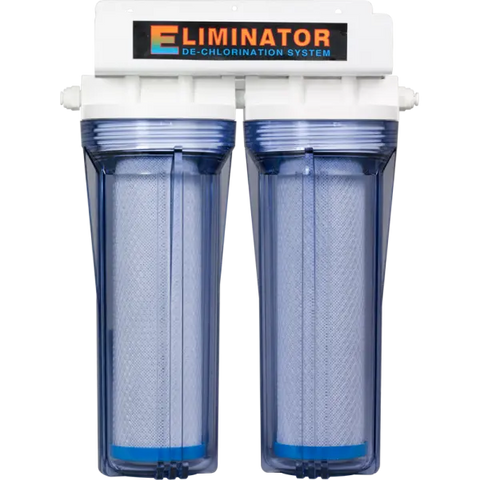
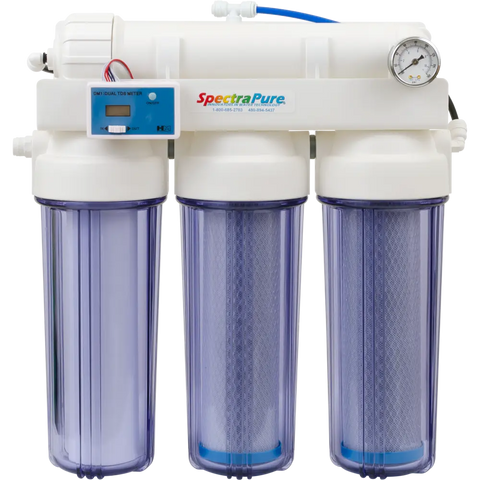
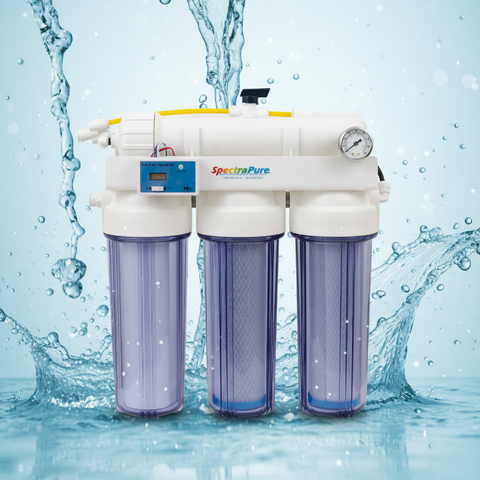
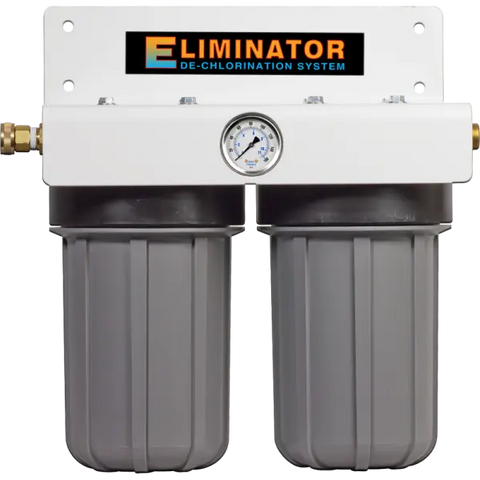
Pick the right system in three steps.
- Test your feed water (TDS, pressure, temperature).
- Set your target output in GPD.
- Match a system rated for that output at your conditions.
About this category
Understanding Hydroponic Water Filtration Systems
Hydroponic water filtration systems play a critical role in maintaining the health and productivity of hydroponic gardens. These systems filter and cleanse water to remove impurities, harmful chemicals, and sediments that can negatively impact plant growth. Using clean, filtered water ensures that nutrients are properly absorbed by the plants, promoting robust development and higher yields. Effective hydroponic water filtration systems help reduce disease risks and clogging in irrigation lines, creating a more efficient and manageable environment for growers. In this guide, we explore the key benefits, types, and maintenance tips for hydroponic water filtration systems to help you maximize your garden’s potential.
Benefits of Using Hydroponic Water Filtration Systems
Hydroponic water filtration systems provide numerous benefits that improve the overall success of soilless gardening. By filtering out contaminants such as chlorine, heavy metals, and organic debris, these systems protect sensitive plant roots and enhance nutrient availability. Additionally, they help prevent the buildup of harmful bacteria and algae in the water, which can stunt growth or cause root diseases. Clean water also extends the life of hydroponic equipment by reducing sediment buildup, saving you time and money on repairs. Overall, filtration systems create a cleaner, healthier environment that supports vigorous plant growth and consistent harvests.
Common Types of Hydroponic Water Filtration Systems
There are several types of hydroponic water filtration systems designed to meet different gardening needs. Mechanical filters remove large particles and sediments through screens or mesh filters, preventing clogs in your system. Activated carbon filters are popular for removing chlorine and organic chemicals, improving water taste and quality. Reverse osmosis systems offer thorough purification by forcing water through a semipermeable membrane to remove dissolved salts and impurities. Each type serves a specific purpose, and many growers combine multiple filters to ensure optimal water purity and system performance for their hydroponic setups.
Maintenance Tips for Optimal Filtration Performance
Maintaining hydroponic water filtration systems is essential to ensure their efficiency and longevity. Regular cleaning of mechanical filters prevents debris accumulation that can reduce water flow and cause blockages. Activated carbon filters should be replaced periodically as they become saturated and lose effectiveness over time. For reverse osmosis systems, periodic membrane checks and sanitization help maintain water purity. Monitoring water quality and system pressure regularly can alert you to any filtration issues early. Consistent upkeep not only guarantees cleaner water but also supports healthier plant growth and reduces system downtime.